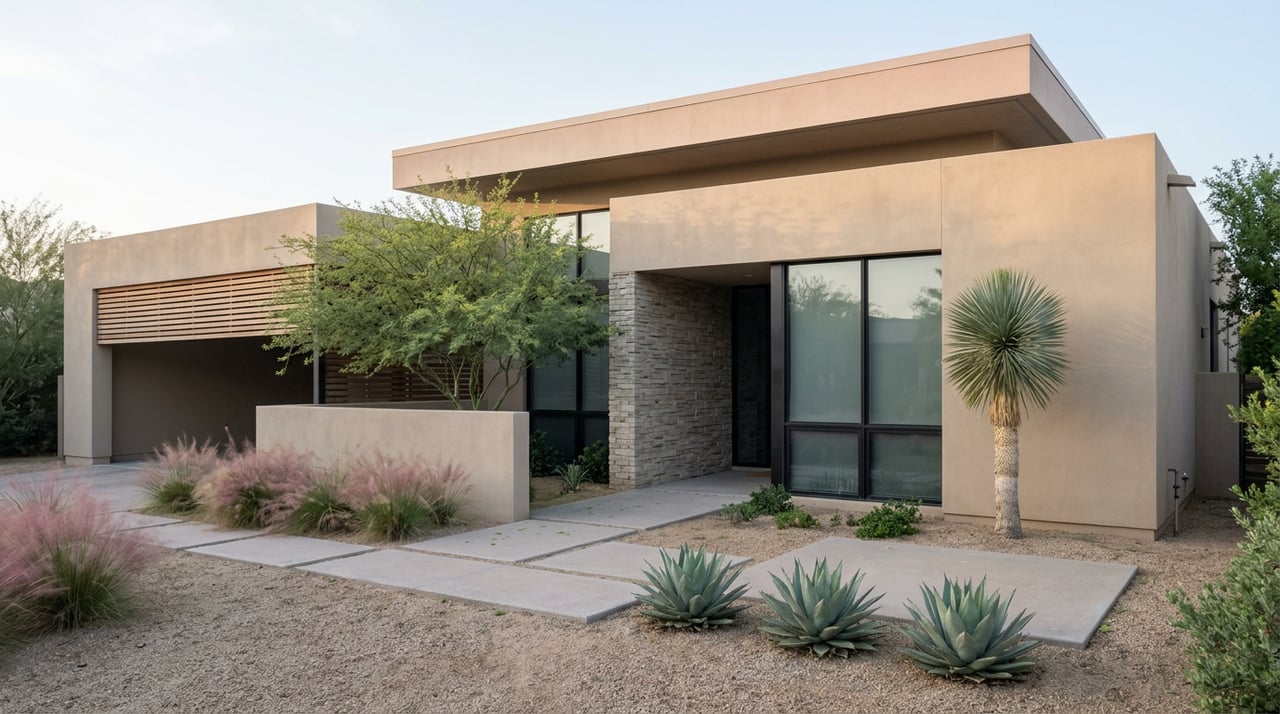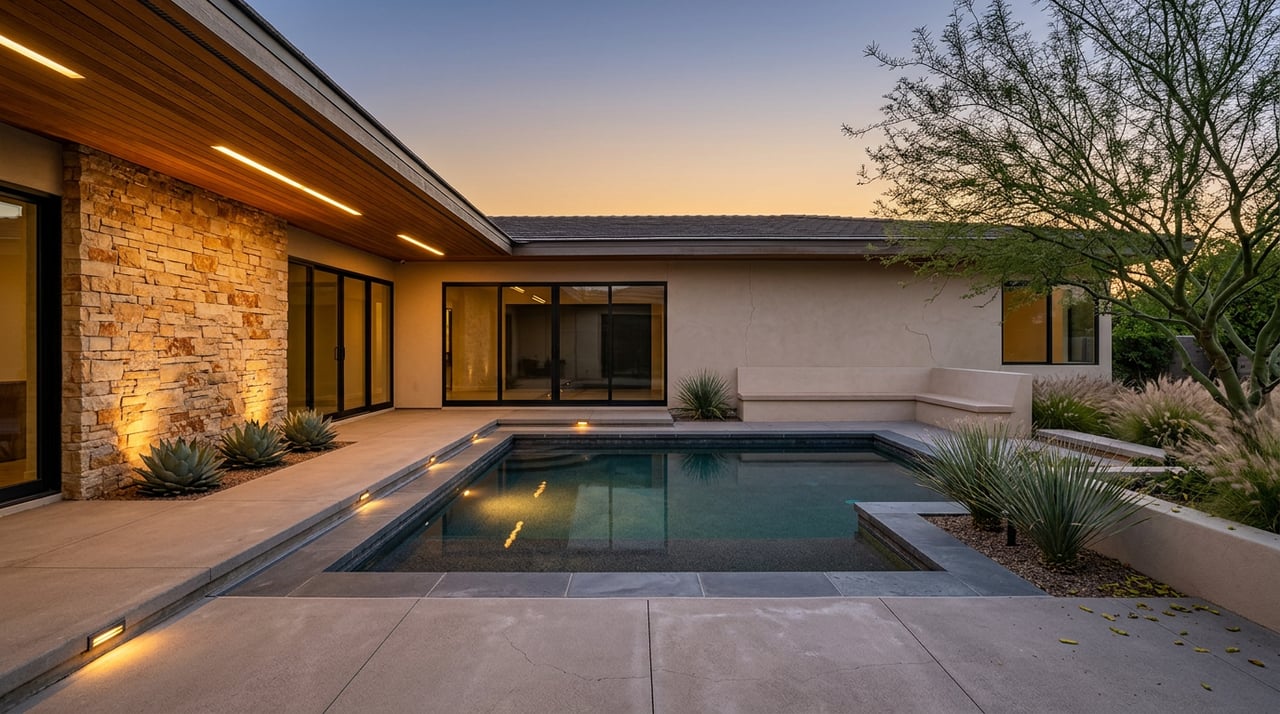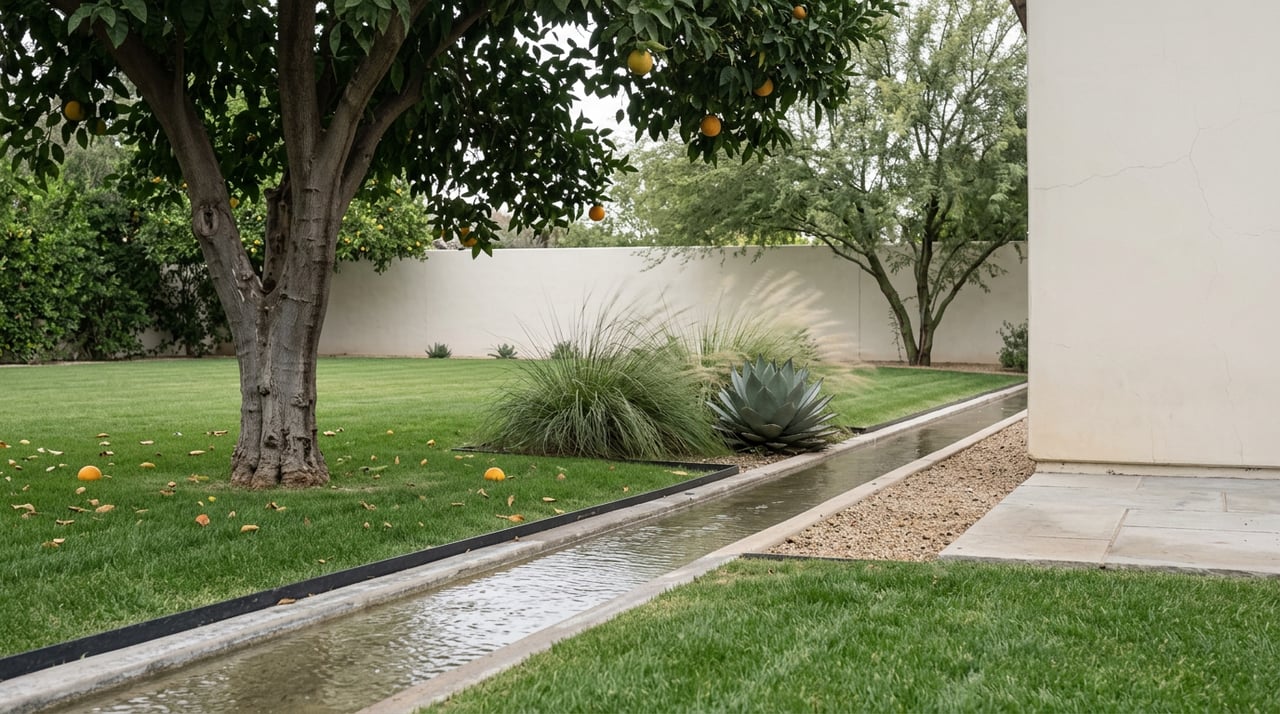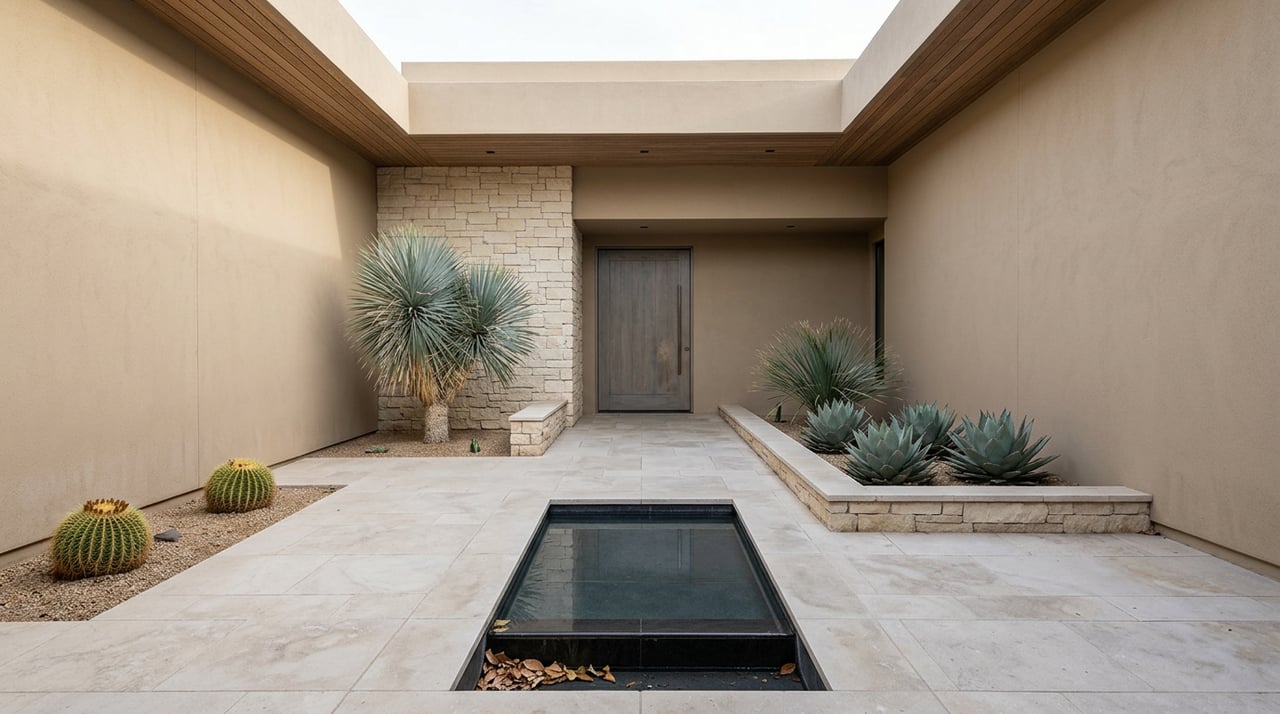
A buyer sits down at the closing table for a Silverleaf estate, signs the deed, wires the balance, and assumes the rest follows. The gate code, the trail access, the tee times at the Tom Weiskopf course winding through Horseshoe Canyon. It feels like one purchase because the price tag is one number. It isn't one purchase. It's four separate agreements wearing the same escrow file, and the fourth one, the club, doesn't care whose name is on the deed.
This is the part of a Silverleaf transaction that surprises even buyers who have closed on seven-figure homes elsewhere. The home is yours the moment you record. The club is a different conversation entirely, one that starts over from zero no matter what you paid for the house next to the fairway.
Four Agreements, One Escrow File
Every Silverleaf closing actually settles four distinct obligations, and understanding which one does what changes how a buyer should sequence the whole process.
| Agreement | What It Covers | Transfers Automatically With Sale? |
|---|---|---|
| Home purchase (deed) | Title to the property itself | Yes |
| Silverleaf sub-HOA | Private security, gate operations, common-area landscaping, in-community architectural review | Yes, dues follow the property |
| Master DC Ranch Community Council | Community centers, trail system, broader security, master-plan operations across DC Ranch | Yes, dues follow the property |
| Silverleaf Club membership | Golf course access, clubhouse, dining, fitness and spa | No, never automatic |
The first three are tied to the property and pass to whoever holds title. The fourth is tied to the person, not the parcel, and that distinction is where most of the confusion starts.
The HOA Layer Is Doubled, And Both Sides Charge At Closing
Silverleaf residents pay into two separate HOA structures rather than one. The Silverleaf sub-HOA funds the private, in-community pieces: the gate staff, the landscaping along the private roads, and the architectural review specific to Silverleaf's neighborhoods. Above that sits the master DC Ranch Community Council, which funds the shared infrastructure across the entire DC Ranch master plan, including the trail system and the community centers that Silverleaf residents share with the rest of DC Ranch. Both organizations impose their own transfer assessment at closing, which means a buyer should expect two separate line items on the settlement statement rather than one.
Neither of these figures is published for casual browsing. They move year over year and the accurate current numbers live with the master Community Council and the Silverleaf sub-HOA directly, not with a real estate listing sheet. A buyer serious about a specific property should request current dues and any pending special assessments in writing before removing contingencies, not after.
The Club Runs On Its Own Waitlist, Not The Home's Timeline
Here is the mechanism that actually catches buyers off guard. The Silverleaf Club operates two membership categories: a Golf Membership, with an initiation fee estimated around $400,000 and monthly dues near $2,750, and a Clubhouse Membership without golf privileges, estimated around $100,000 in initiation with monthly dues near $875. The club does not publish these figures officially, and they should be confirmed directly with the membership office before anyone treats them as settled numbers.
What matters more than the dollar amount is the mechanism behind it. Membership is by invitation only. A prospective member needs sponsorship from a current member, and golf membership currently carries a confirmed multi-year waitlist. Closing on the house does not move a buyer up that list. It doesn't even guarantee a spot on it. Membership at Silverleaf is also open to people who don't live inside the gates, which means owning the home puts a buyer in the same queue as an outside applicant, not ahead of one.
Buyers who consider golf access essential to the decision have started treating the membership conversation as its own parallel track. Some pursue a bridge membership at Whisper Rock, Desert Mountain, or Estancia while the Silverleaf waitlist runs its course, so they aren't sitting on a golf-course lot without a golf-course membership for the years in between. That workaround only makes sense if you know the wait exists before you're three weeks from closing.
The Architectural Review Board Doesn't Pause For A New Owner
Anyone who buys in Silverleaf expecting to renovate, expand, or rebuild inherits a design process that predates their ownership and doesn't accelerate for it. Every custom home project, new build, and exterior modification in Silverleaf passes through the DC Ranch Covenant Commission, a five-member body that reviews architectural submissions with support from professional design consultants before anything breaks ground. The commission evaluates exterior materials, rooflines, setbacks, grading, landscape plans, and lighting, and its guidelines favor Spanish, Mediterranean, and Southwestern Contemporary styles that integrate with the desert terrain rather than impose on it. Native plant palettes are required, and exterior lighting has to comply with dark-sky standards given Silverleaf's position against the McDowell Sonoran Preserve.
None of this is unusual for a community built to protect its own resale character. But a buyer who assumes a fast pool remodel or a quick addition can move at the pace of a typical Scottsdale project is planning against the wrong timeline. The review runs alongside the design phases rather than after them, which helps, but it still means the commission's calendar becomes part of any renovation plan from the first sketch.
What To Request Before You Write The Offer, Not After
The documents that actually protect a buyer in a transaction this layered rarely show up in a listing packet unless someone asks for them directly:
- CC&Rs, bylaws, and articles of incorporation for both the Silverleaf sub-HOA and the master DC Ranch Community Council
- Recent HOA financials, reserve studies, and board meeting minutes from the last six to twelve months, to see whether a special assessment is already being discussed
- A resale certificate or estoppel letter that itemizes current dues, any pending assessments, open violations, and the specific transfer conditions tied to the property
- If a club membership is being represented as part of the deal, the actual club membership agreement and any resale packet, since a seller's verbal assurance that "the membership comes with the house" is not the same as a document that says so
- A title report that flags any golf course or drainage easements running through the parcel, which is common on lots backing the fairways
Arizona's planned community statutes set baseline disclosure requirements for transactions like this, and a real estate attorney is the right person to confirm what applies to a specific contract. This is diligence, not legal advice, and the point is simply that the paperwork exists to be requested well before the inspection period closes.
When To Start The Club Conversation
The honest answer is before you're in contract, not after you've moved in. Sponsorship takes a relationship, and a relationship takes time to build. If club access is central to why a buyer wants a specific Silverleaf address, the smarter sequence is to start that conversation with the membership office and with people who already hold sponsorship standing while the house is still being toured, not once the moving truck has left. Waiting until after closing to ask about the waitlist means asking the question at the exact moment it's hardest to do anything about the answer.
FAQ
Does buying a home in Silverleaf put me on the golf membership waitlist automatically? No. Membership requires a separate application, sponsorship from a current member, and its own initiation fee and dues. Home ownership does not convey a spot on the list.
Can I own a home in Silverleaf and never join the club? Yes. Club membership is optional and entirely separate from the HOA. Plenty of owners hold property inside the gates without golf or clubhouse membership.
If I buy from someone who already has a membership, does it transfer to me? Not automatically. Transfer policies vary and should be confirmed directly with the club before you rely on any assumption the seller or listing agent makes about it.
A Silverleaf transaction rewards the buyer who treats it as four conversations instead of one. If you're weighing a specific property, or trying to figure out where the club waitlist actually stands right now, Artie Baxter can walk the paperwork with you before you're the one asking these questions after closing. Book an appointment to start the right conversations in the right order.