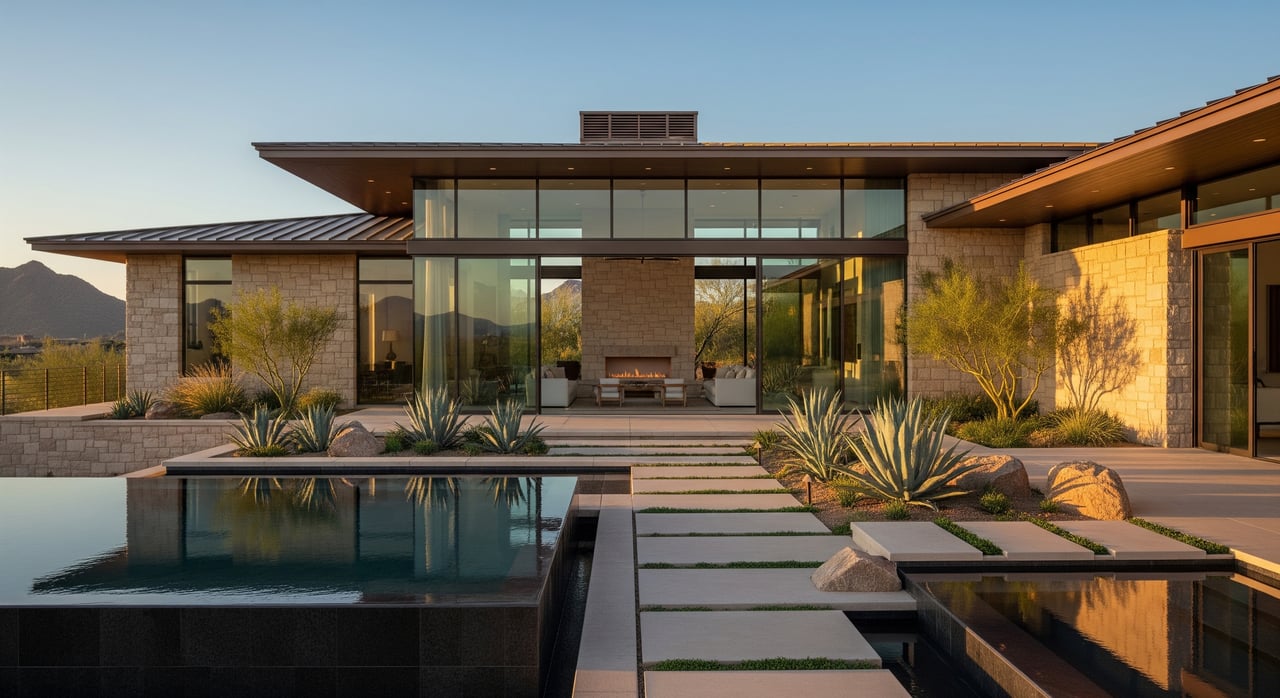
Pricing a Paradise Valley estate is not a guessing game. It is a strategic decision that can protect millions in equity and determine how long you stay on the market. If you are preparing to list a $3M+ home, you want a plan that balances value protection with speed. This guide gives you a clear framework for pricing, timing, and presenting your property so you attract the right buyers and secure the best outcome. Let’s dive in.
Why strategic pricing matters in Paradise Valley
Paradise Valley is a niche market with large lots, custom builds, and distinctive views. Every estate is unique, which makes comparable sales harder to read and small pricing mistakes more costly. Luxury inventory typically sees longer days on market than the broader Phoenix area, and buyer expectations are higher at this price point.
Your buyer pool includes local high-net-worth residents, out-of-state and seasonal buyers, and some international interest. Many use cash or jumbo financing, so presentation, timing, and negotiation strategy all play a bigger role in your net result. A thoughtful pricing plan helps you control the narrative and avoid unnecessary price erosion.
What drives value for PV estates
Lot, privacy, and views
In Paradise Valley, the land tells a big part of the story. Lot size, orientation, privacy, and view corridors of Camelback or the McDowell Mountains can command a premium. Usable outdoor living spaces and mature landscaping also contribute to perceived value.
Condition and recency of upgrades
Buyers respond to homes that are well maintained and current. Updated kitchens and baths, newer roofs and HVAC, and integrated smart-home systems can all influence price bands. If major systems are at or near end-of-life, that will show up in feedback and negotiations.
Unique features and provenance
Guest houses, elevators, wine rooms, resort-level pools, and thoughtful floor plans matter. Architectural provenance, a respected designer, or a renowned builder can add a premium. Distinctive design and cohesive storytelling elevate how buyers judge your home against others.
Market realities and transaction factors
Thin comp pools create volatility at the high end. You may rely on sales that are 6 to 24 months old with larger adjustments. Cash buyers often shorten timelines and reduce appraisal risk, while carrying costs like taxes, insurance, and utilities are meaningful at this level. Weighing these costs against time on market helps guide pricing decisions.
Timing your launch in a seasonal market
The Phoenix area has a pronounced luxury season. The most active months for affluent showings typically run from November through April when seasonal and out-of-state buyers are present. Launching in-season can expand your buyer pool, though competition is also higher.
Off-season listings can stand out when you leverage targeted digital campaigns and private showings. If your move is flexible, align listing prep to hit early in peak months. If timing is fixed, focus on sharp pricing and premium presentation to meet buyers where they are.
Pricing strategies for $3M+ listings
There is no single right price. Your approach depends on your goals, timeline, and risk tolerance. These four frameworks are commonly used for Paradise Valley estates.
Strategy A: Value protection
- Tactic: List at or slightly above estimated market value, usually within 0 to 5 percent.
- Pros: Protects perceived value and supports stronger negotiations.
- Cons: Longer days on market and potential need for a later price adjustment.
- Example (illustrative): If the estimated value is $3,200,000, you might list at $3,250,000, then plan a structured review at 45 to 90 days.
Strategy B: Speed oriented
- Tactic: Price below perceived market value, often 3 to 8 percent under, to create urgency and competition.
- Pros: Shorter marketing period, potential for multiple offers, lower carrying costs.
- Cons: If competition does not materialize, you risk accepting less than target price.
- Example (illustrative): If fair value is $3,200,000, launching at $2,990,000 could spark activity and still land near or above market with the right demand.
Strategy C: Market-testing hybrid
- Tactic: List competitively with a defined early testing window, such as 21 to 45 days, supported by an aggressive launch and broker events.
- Pros: Balances value protection and speed, gives early data to make a timely pivot.
- Cons: Requires discipline on pricing and a willingness to adjust if feedback is soft.
- Example (illustrative): Launch at $3,200,000 with a 21-day initial period and a single, meaningful adjustment if needed.
Strategy D: Off-market or pocket listing
- Tactic: Quietly market to vetted buyers and top agents to prioritize discretion.
- Pros: Preserves privacy and can avoid broad-market downward pressure.
- Cons: Smaller buyer pool may extend time to sale or reduce leverage.
- Best for: High-profile sellers or those staging a move over time with privacy as a key need.
Launch plan that supports your price
A price is only as strong as the story supporting it. At the luxury level, presentation sets expectations and shapes buyer behavior.
Presentation essentials
- Professional photography with day and twilight sets, plus drone imagery.
- Cinematic video, dedicated property microsite, and high-end brochures.
- 3D tours and measured floor plans to serve remote and relocation buyers.
- Broker opens and curated events that showcase lifestyle and scale.
Staging and pre-list preparation
- Complete a pre-list inspection to uncover and address issues up front.
- Stage interior and exterior spaces to translate square footage into lifestyle.
- Prioritize light, flow, and sightlines. Edit rooms so key features read clearly.
- Consider strategic cosmetic updates that deliver outsized impact.
Showing strategy by season
- Peak season: Orchestrate a high-profile launch and a calendar of broker and private events.
- Off-peak: Lean into targeted digital, private previews, and qualified appointments.
- For traveling buyers: Offer live-streamed walk-throughs and flexible access.
Review cadence and smart adjustments
Your first few weeks set the tone. Track real signals and be ready to adapt with intention.
- 14 to 30 days: Evaluate showing volume, agent feedback, and online engagement.
- 45 to 60 days: Reassess pricing, presentation, and marketing mix based on traction.
- Around 90 days: If needed, execute a single, meaningful price adjustment rather than multiple small cuts.
- Use the showings-to-offers ratio: Low showings can point to visibility or pricing; strong showings without offers often indicates a price or condition mismatch.
Negotiation dynamics in luxury sales
You can expect proof of funds, tailored earnest money, and structured timelines. Cash buyers may request quicker closings. Weigh speed against your net outcome and logistical needs.
Appraisals can be challenging with thin comps. Options include obtaining a pre-listing appraisal, using buyer appraisal-gap commitments, or adjusting other terms. Strong presentation, clear documentation, and thoughtful comparables help support your price.
Seller checklist: Prepare to list with confidence
- Obtain a current comparative market analysis and discuss comp limitations.
- Complete a pre-list inspection, then address critical repairs or price for condition.
- Finalize photography, video, floor plans, and copy before going live.
- Confirm your tax basis and consult your tax advisor about potential implications.
- Determine your minimum acceptable net, preferred timeline, and contingency flexibility.
On-market vs off-market: Which path fits you
A public launch can maximize exposure and leverage during peak season. It is the best route when the goal is to invite full-market competition. Off-market placement fits when privacy and control are paramount, or when you want to test reception quietly before going live.
With dual Arizona and California licensure and affiliation with a global luxury brokerage, you can activate both discreet networks and broad editorial distribution. The right plan meets your goals, protects your value, and keeps your timeline in focus.
Protect value and move on your timeline
A strategic price backed by premium presentation and disciplined review points builds confidence and results. Whether you prioritize privacy, speed, or value maximization, you can tailor your path to align with your objectives. If you are considering a sale this season, let’s map your options, outline your launch plan, and position your home to win.
Ready to talk strategy for your estate in Paradise Valley? Connect with Artie Baxter to start a private consultation.
FAQs
What is the best time to list a luxury home in Paradise Valley?
- The most active showing period typically runs from November through April. If you must list off-season, precise pricing and premium presentation help you stand out.
How close should my list price be to market value?
- In most cases, plan within plus or minus 3 to 5 percent, then choose a strategy that fits your goals, such as value protection or a speed-oriented approach.
Do I need staging for a $3M+ estate?
- Yes, staging is strongly recommended at this level. It clarifies scale, highlights features, and reduces friction during negotiations.
How long do luxury homes usually take to sell in PV?
- Expect months rather than weeks. Luxury inventory has longer typical days on market due to unique features, smaller buyer pools, and appraisal dynamics.
What if appraisal comps are thin for my property?
- Consider a pre-listing appraisal, robust supporting materials, or buyer appraisal-gap terms. Strong documentation helps support your price.
When should I reduce my price if showings are slow?
- Reassess at 30 to 45 days. If feedback points to price, make a single, meaningful adjustment rather than multiple small cuts.