Thinking about trading Beverly Hills for Paradise Valley? At first glance, both markets speak the language of luxury, but the day-to-day experience is very different. If you are weighing a move from Los Angeles to the Phoenix area, it helps to understand not just pricing, but pace, property format, and how daily life actually feels. Let’s dive in.
A Shift in Lifestyle
Moving from Beverly Hills to Paradise Valley is less about stepping down or up in luxury and more about changing the setting of luxury. Beverly Hills is a compact, full-service city with about 35,000 residents across 5.7 square miles, while Paradise Valley covers 15.4 square miles with an estimated 12,774 residents in 2025. Based on those official figures, Beverly Hills is about 7.4 times as dense as Paradise Valley, which helps explain why the move can feel so different from day one. The City of Beverly Hills and the Town of Paradise Valley describe two very different operating models.
In Beverly Hills, luxury is woven into a more urban, service-rich environment. In Paradise Valley, luxury is tied to privacy, open space, mountain views, and a predominantly residential setting. The result is a move from city-centered luxury to estate-style desert living.
Housing Looks Different
Larger parcels shape the market
One of the biggest differences is land. Paradise Valley’s general plan emphasizes a one-acre residential pattern and a low-density character. That means your home search is often about lot size, privacy, and how a property sits within the desert landscape.
Beverly Hills offers a different rhythm. The city is known for preservation-minded planning, civic landmarks, and notable historic and open-space assets such as Greystone Mansion & Gardens and Beverly Gardens Park. In practical terms, that often translates into a more compact luxury setting with stronger ties to an urban fabric.
Architecture responds to place
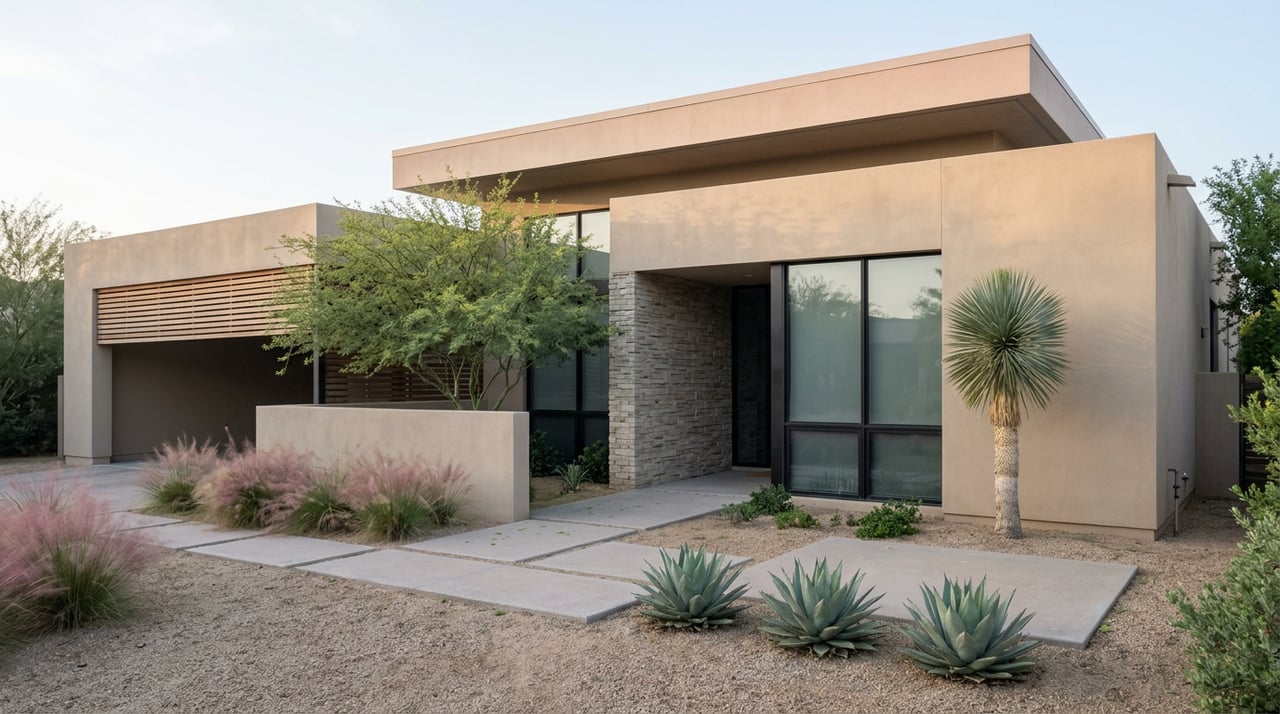
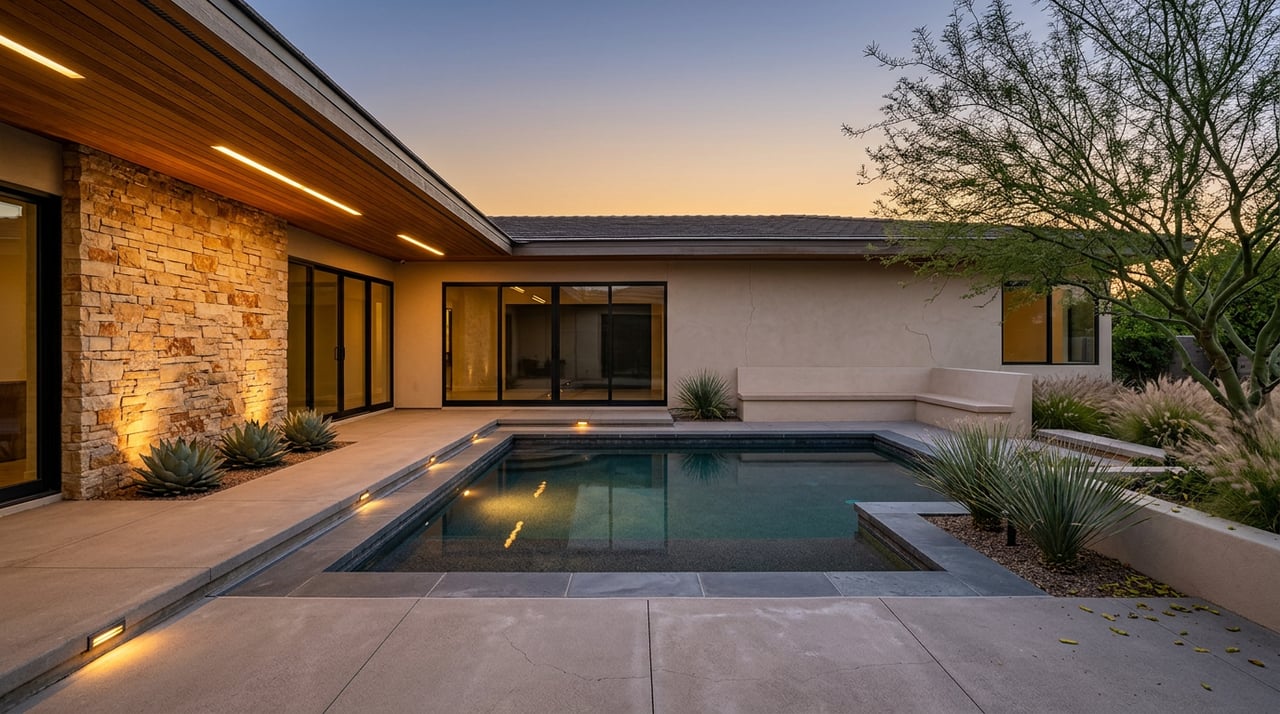
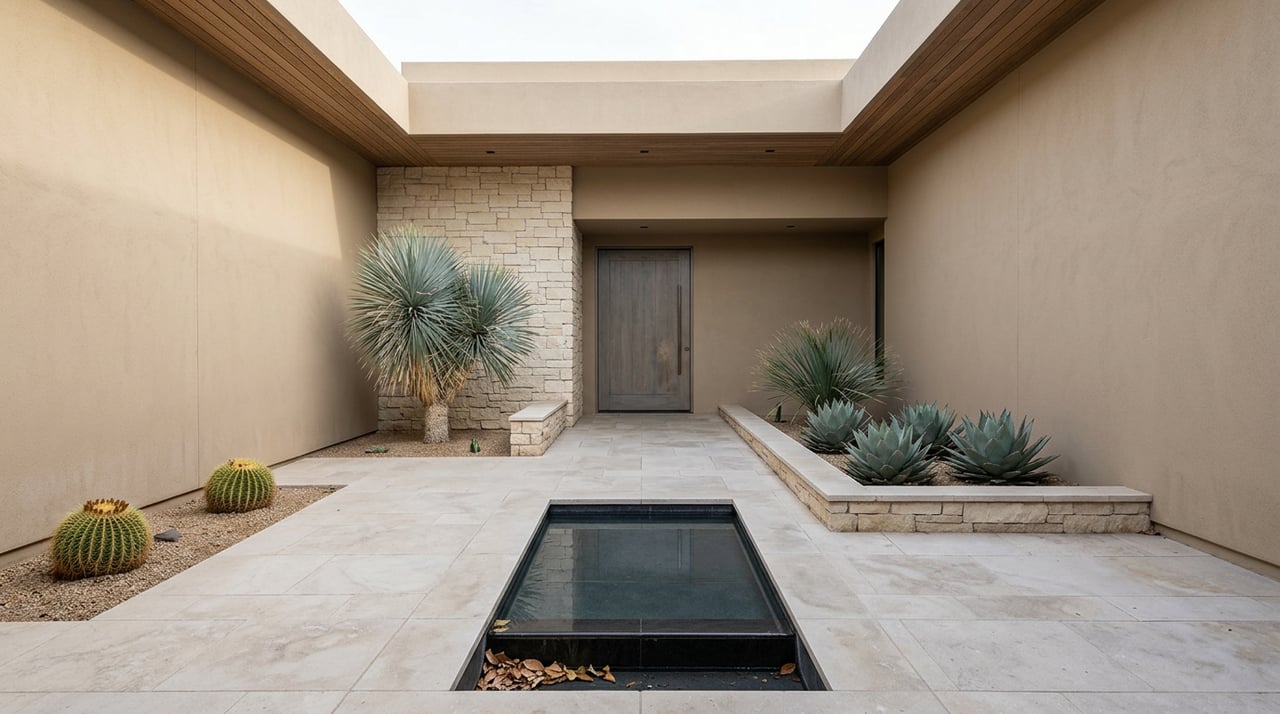
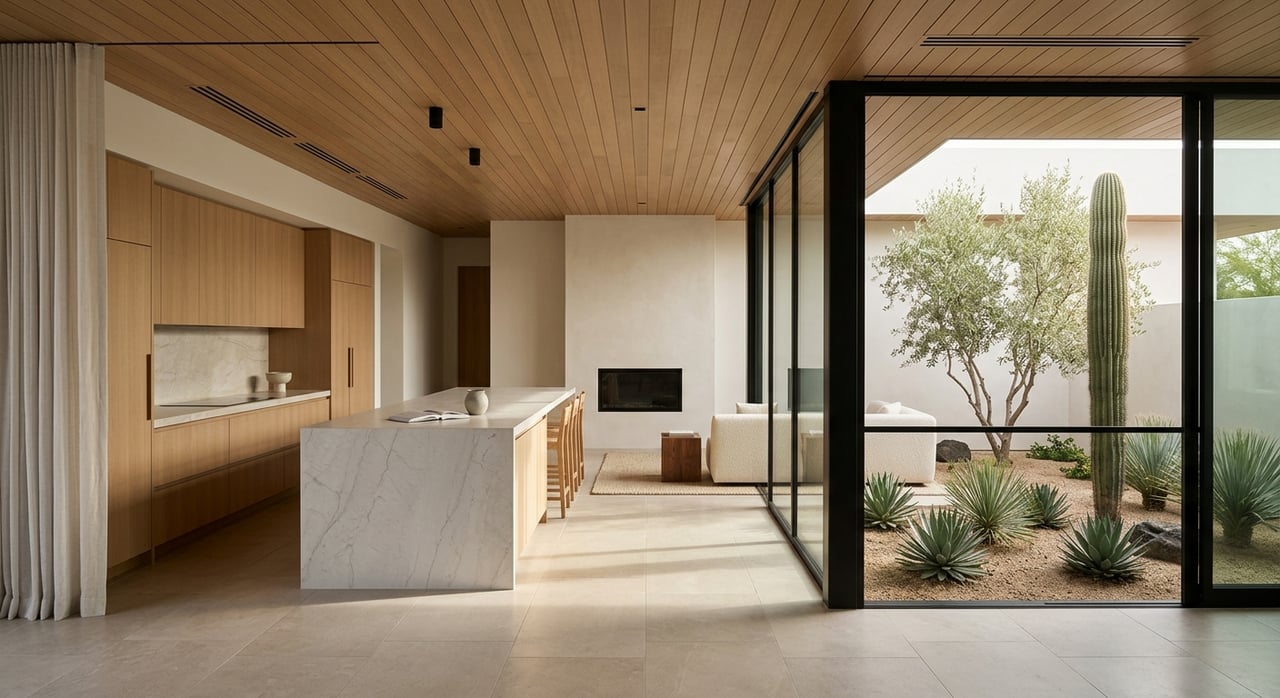
Paradise Valley homes tend to reflect the Sonoran Desert climate and terrain. The town highlights an eclectic mix of architectural styles shaped by desert conditions, mountain views, and a low-density residential environment. You will often see homes designed to open outward, capture views, and create a stronger relationship with the landscape.
Beverly Hills has its own architectural identity, but it is supported by a stronger preservation framework. The city’s Cultural Heritage Commission and Historic Preservation Awards Program point to a market where history, civic character, and legacy properties remain part of the conversation.
Is Paradise Valley Cheaper?
Not necessarily.
Recent Redfin market data for Beverly Hills shows a median sale price of $4.81M, 124 days on market, and a 93.7% sale-to-list ratio. The same research snapshot cited for Paradise Valley places its median sale price at $6.2M, 38 days on market, and a 96.6% sale-to-list ratio.
That does not mean Paradise Valley is simply “more expensive” across the board. The more useful comparison is what your budget buys. Beverly Hills has a median price per square foot of $1.81K, compared with $970 in Paradise Valley, so buyers are often comparing different forms of luxury rather than looking for a lower headline number.
What Your Budget May Buy
For many Beverly Hills buyers, the real surprise is not the top-end price point. It is the scale of the property. In Paradise Valley, a similar budget may buy more land, a different indoor-outdoor layout, and a more estate-oriented setting.
That makes the decision less about chasing a discount and more about choosing a format. If you value privacy, larger parcels, mountain views, and a more residential atmosphere, Paradise Valley may align well. If you prefer a denser environment with more nearby services and civic amenities, Beverly Hills may still feel more intuitive.
Outdoor Living Changes Too
Beverly Hills offers curated green space
Beverly Hills presents outdoor life through maintained parks and civic places. The city highlights its lush landscape and near-perfect climate, with public spaces such as the 1.9-mile Beverly Gardens Park and the 18.3-acre Greystone Mansion & Gardens. Outdoor time here often feels polished, public, and integrated into a city setting.
Paradise Valley is mountain and desert oriented
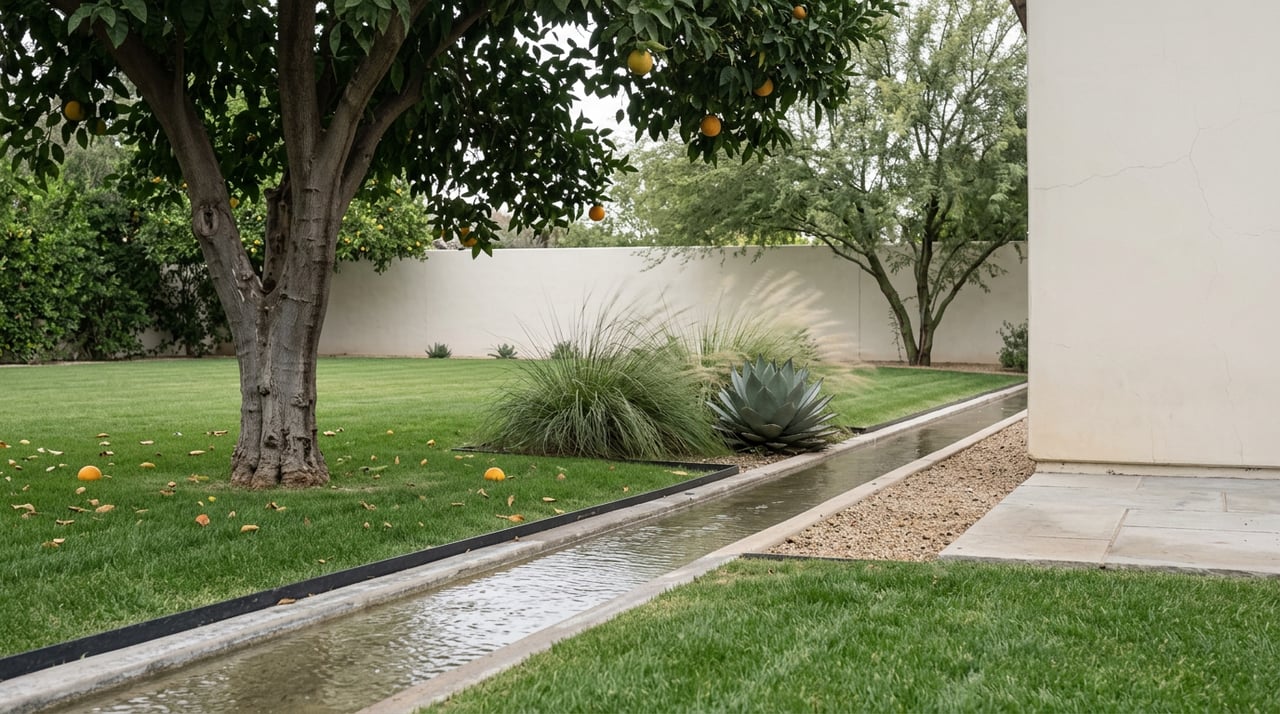
Paradise Valley offers a more scenic and residential version of outdoor living. According to the town’s planning documents, it is set among Camelback Mountain, Mummy Mountain, and the Phoenix Mountain Preserve, with an emphasis on mountain views, dark skies, open spaces, and tranquility. Residents value lower-impact recreation such as walking, hiking, biking, and horseback riding, while golf, spas, and resort amenities are also part of the local appeal.
This difference matters. In Beverly Hills, the outdoors often feel civic and curated. In Paradise Valley, the outdoors are more woven into the home, the roads, and the surrounding landscape.
Daily Life Is More Car-Dependent
Beverly Hills is more service-rich
Beverly Hills describes itself as a full-service city, with police, fire, schools, infrastructure, and recreation all operating within a compact footprint. It also offers free weekend trolley service and local transportation options, which support a lifestyle with more services nearby.
Paradise Valley runs on a different model
Paradise Valley is intentionally lighter on commercial infrastructure. Its general plan states that the town depends on other parts of Metro Phoenix for many commercial, cultural, and recreational facilities, and that the primary mode of transportation is the automobile. The town also describes its roads as low-volume, narrow, winding, and scenic, with limited transit and resort-based shuttle, taxi, and rideshare options, including service to Phoenix Sky Harbor International Airport.
If you are moving from Beverly Hills, this is one of the biggest adjustments to expect. Paradise Valley is not designed around having everything at your doorstep. It is designed around residential calm, scenic drives, and access to the broader Valley when needed.
Amenities Are Local, But Not All-In-One
Paradise Valley is not empty or isolated. The town includes 9 resorts, 11 public and private schools, 3 golf courses, and 4 medical centers, according to its basic town facts. That gives residents a strong base of lifestyle amenities within town boundaries.
Still, the broader pattern is different from Beverly Hills. Many errands, dining options, cultural activities, and work routines may extend into Scottsdale or Phoenix. If you are used to the compact convenience of Beverly Hills, it helps to think of Paradise Valley as a residential retreat connected to a larger metro area, not a self-contained luxury city.
Why the Move Appeals to Beverly Hills Buyers
The connection between these markets is not just anecdotal. Redfin migration search data shows Phoenix among the top outbound destinations for Beverly Hills searchers, while Los Angeles is among the top inbound metros for Paradise Valley. Redfin notes that this reflects search behavior rather than confirmed moves, but it still points to meaningful cross-market interest.
For many buyers, the appeal is clear. Paradise Valley offers a quieter setting, more space, and a resort-residential environment that can work well as either a primary residence or a second home. For Beverly Hills homeowners who want luxury with more privacy and a different pace, it can feel like a natural next chapter.
Who Usually Adapts Best
This move often makes the most sense if you are drawn to:
- Larger residential parcels
- A lower-density setting
- Mountain views and desert scenery
- Resort-style amenities nearby
- A more private, car-oriented lifestyle
It may be a bigger adjustment if your routine depends on:
- Highly walkable daily conveniences
- A denser retail and dining environment
- Short access to a broad mix of city services
- A more urban social rhythm
Planning Your Move Thoughtfully
When you compare Beverly Hills and Paradise Valley, focus on more than price. Ask what kind of daily experience you want, how much space you will actually use, and whether you want your luxury lifestyle to feel more city-centered or more residential and retreat-like.
That is where local guidance matters. If you are evaluating a primary move, a seasonal home, or a strategic cross-state purchase, working with an advisor who understands both California and Arizona can make the process far more seamless. If you are considering a move from Beverly Hills to Paradise Valley, Artie Baxter can help you evaluate the market, compare lifestyle fit, and navigate the transition with discretion and clarity.
FAQs
Is Paradise Valley cheaper than Beverly Hills for luxury buyers?
- Not always. Research cited here shows Paradise Valley with a higher median sale price than Beverly Hills, but a lower median price per square foot, so the comparison is often about property scale and lot size rather than a simple lower cost.
How do Paradise Valley lot sizes compare with Beverly Hills homes?
- Paradise Valley’s general plan emphasizes a one-acre residential pattern and low-density development, so buyers often find larger parcels and a more estate-style setting than in Beverly Hills.
How car-dependent is Paradise Valley compared with Beverly Hills?
- Paradise Valley is more car-dependent. Its planning documents state that the automobile is the primary mode of transportation and that the town relies on the broader Metro Phoenix area for many services and amenities.
What amenities are located inside Paradise Valley itself?
- According to the town’s basic facts, Paradise Valley includes 9 resorts, 11 public and private schools, 3 golf courses, and 4 medical centers, though many broader errands and activities may still take place in Scottsdale or Phoenix.
Is moving from Beverly Hills to Paradise Valley better for a primary home or second home?
- It can work for either, depending on your goals. Paradise Valley’s quieter, lower-density, resort-residential setting may appeal to buyers seeking a full-time lifestyle change or a seasonal retreat with more privacy and space.