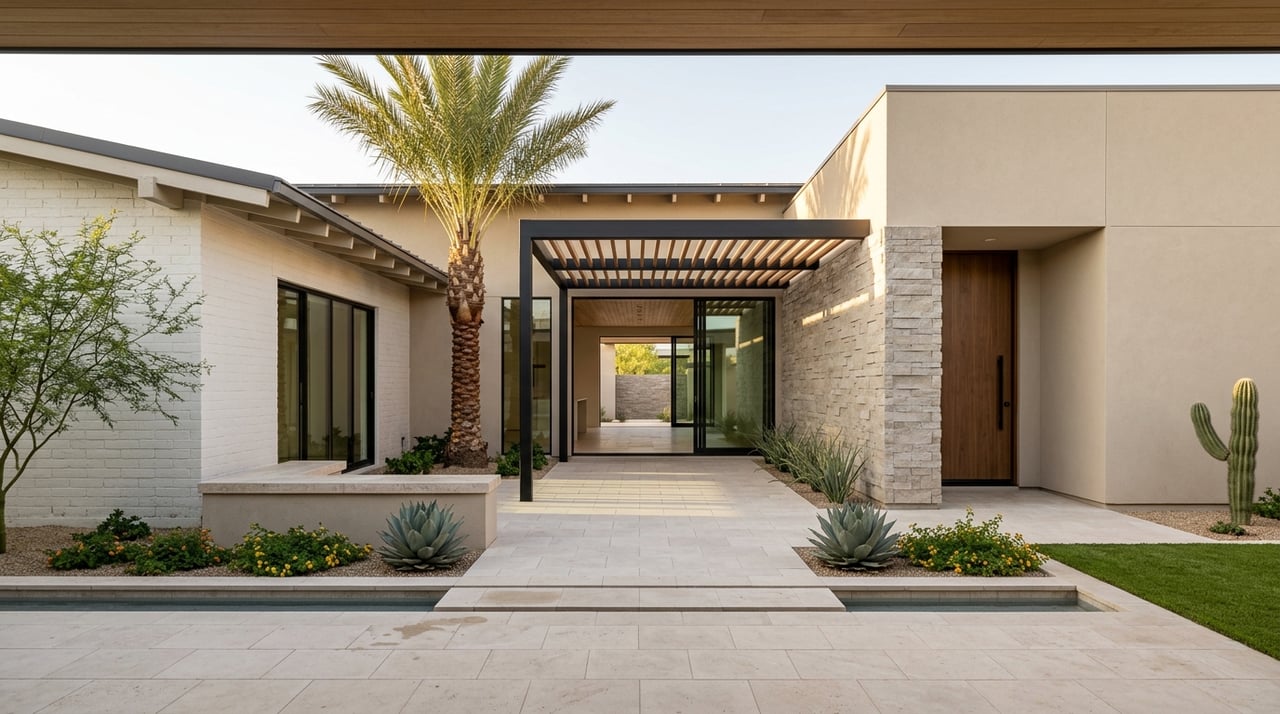
You can feel Arcadia before you fully define it. The shade, the setbacks, the courtyards, and the calm residential rhythm create a kind of design language that stands apart in Phoenix. If you are drawn to homes with presence, layered architecture, and outdoor living that actually fits the climate, Arcadia offers a rare mix of history and refinement. Let’s dive in.
What makes Arcadia design-led
Arcadia is best understood as a Phoenix neighborhood within Camelback East, though its boundaries can vary depending on the source. The historic survey defines Arcadia as the land north of the Arizona Canal and south of Camelback Mountain between 44th Street and Scottsdale Road, while the Arcadia Camelback Mountain Neighborhood Association uses a broader area. For buyers and sellers, that matters because the name carries both architectural meaning and lifestyle expectations.
What gives Arcadia its design identity is not just one home style. It is the combination of estate-scale lots, mature landscaping, historic revival architecture, mid-century ranch homes, and thoughtful renovation over time. Instead of feeling uniform, the neighborhood reads as layered and collected.
That layered quality is a big part of Arcadia’s luxury appeal. Many homes sit on large parcels with generous setbacks, which creates breathing room and a stronger connection between the house, the landscape, and the street. In a market where design often starts with square footage, Arcadia reminds you that space, proportion, and setting matter just as much.
Arcadia’s roots still shape the look
Arcadia’s visual character goes back to its original 1919 plat. According to Phoenix’s historic survey, the area began with five- to ten-acre lots and a minimum house cost requirement aimed at buyers seeking a rural setting with small citrus orchards. That early planning set the tone for a neighborhood where land, greenery, and architecture were meant to work together.
The green character of Arcadia was not accidental. The same survey notes that the Arcadia Water Company formed in 1919 and built out irrigation infrastructure that supported more than 2,100 acres, including fifteen miles of underground concrete pipe by 1924. In practical terms, the lush landscape people associate with Arcadia was engineered from the beginning.
That history still shows up in daily life. Arcadia is often described through its citrus groves, flood-irrigated lawns, and mature shade. For a design-minded buyer, those features are not just charming details. They shape how a home sits on the lot, how outdoor spaces are used, and how the property feels throughout the year.
The architecture is layered, not uniform
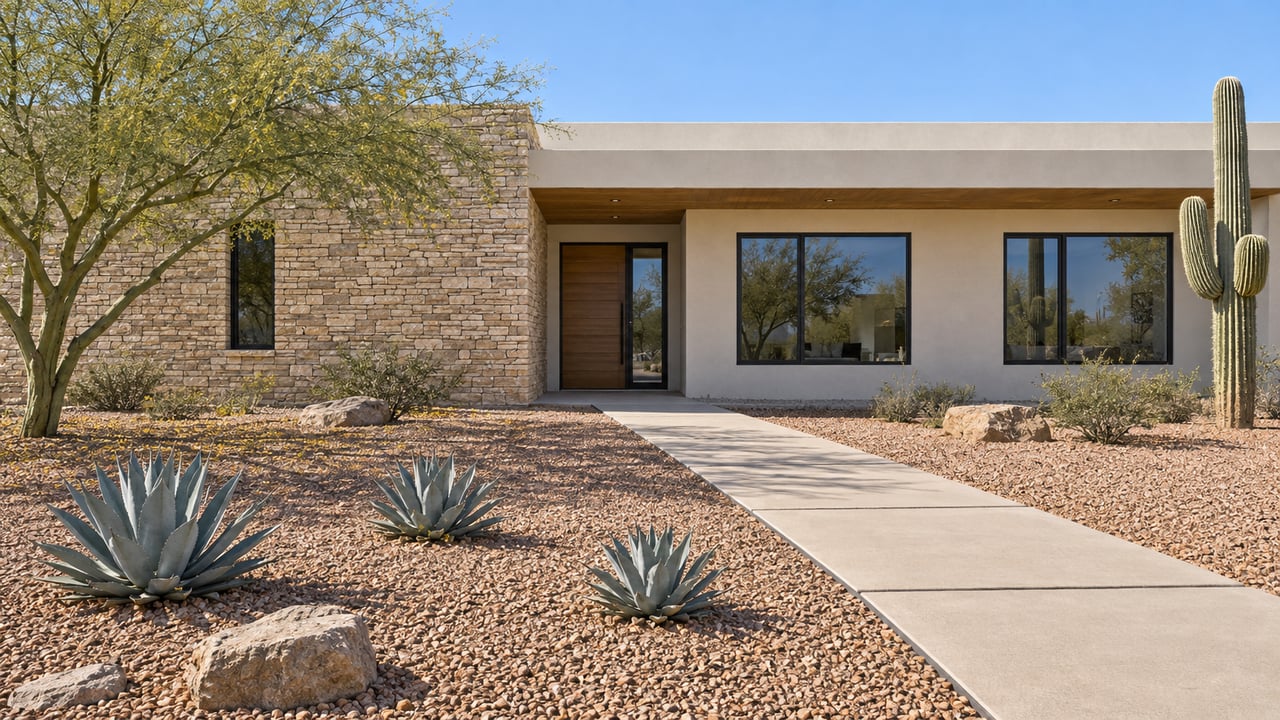
One of Arcadia’s strengths is that it does not rely on a single look. The Arcadia Historic Residential Survey documents Spanish Colonial Revival and Monterey Revival homes, along with some Pueblo Revival examples. Across those styles, common features include stucco walls, clay-tile roofs, exposed rafters, parapets, casement windows, courtyards, low walls, and guest cottages.
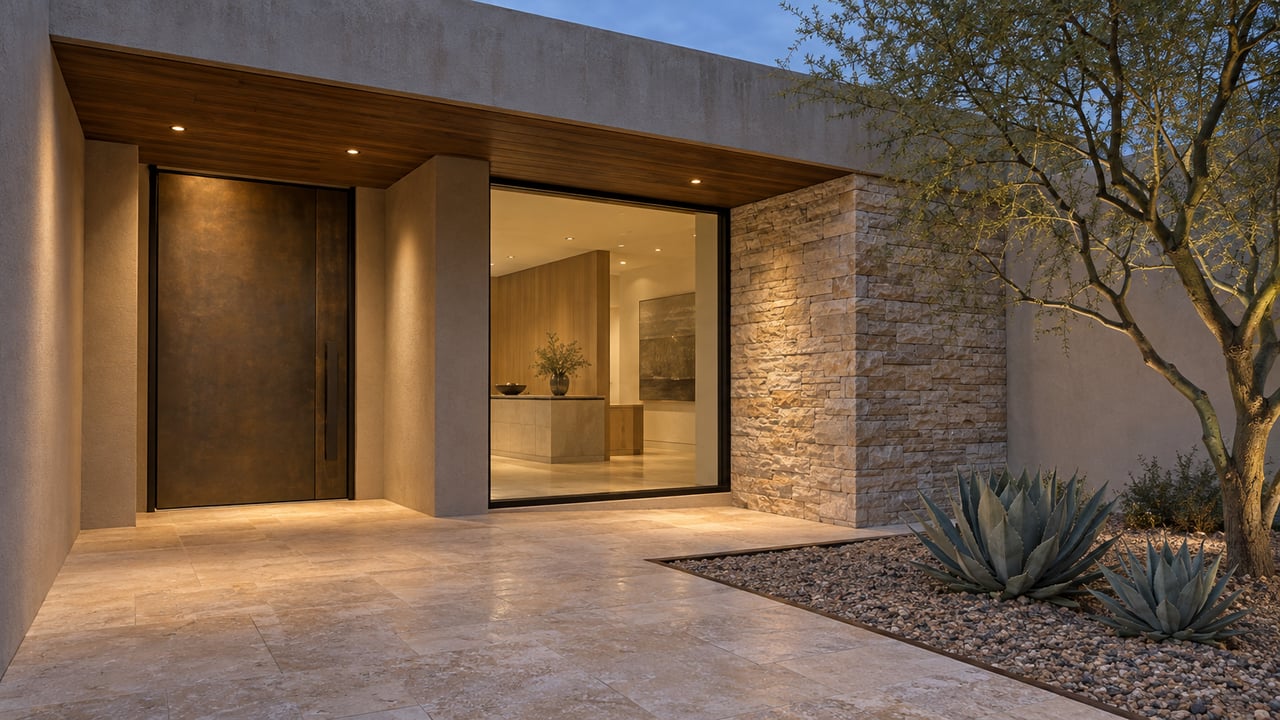
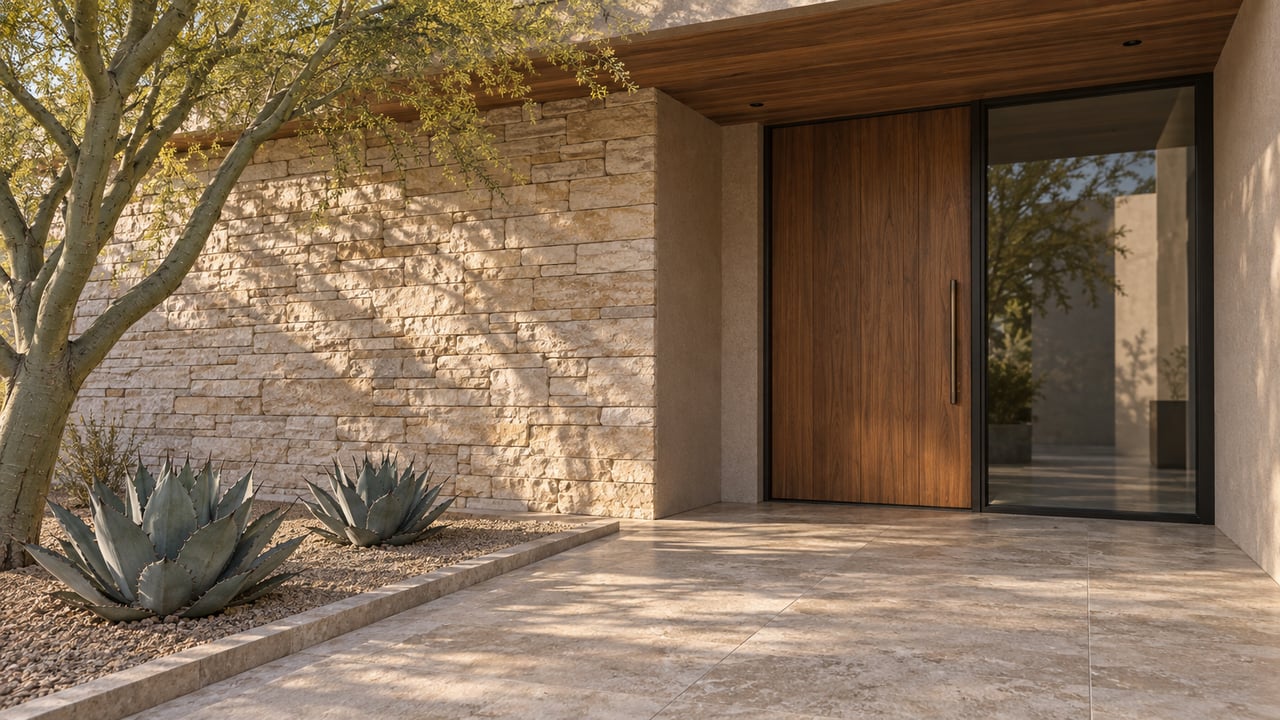
Those details create a visual vocabulary that still resonates today. Even in renovated or newly reimagined homes, you often see a continued emphasis on low-slung forms, outdoor rooms, and materials that feel grounded in place. The strongest homes in Arcadia tend to respect that established rhythm, even when the interiors are fully updated.
The neighborhood also carries a strong mid-century layer. Arcadia Osborn describes the area as known for mid-century ranch homes, and city planning materials note that major growth reached Arcadia in the mid-1950s. That means the design story here is not frozen in one era. It blends revival-era charm with ranch-house simplicity and, in some cases, contemporary renovation.
Why renovation often wins here
In many neighborhoods, the luxury conversation centers on teardown versus new build. Arcadia offers a more nuanced picture. City planning materials note that the quality of homes built in the late 1950s and early 1960s led many owners to renovate rather than move.
That says a lot about the area’s architectural durability. When the original bones are strong, renovation becomes an act of refinement rather than replacement. You see it in homes where classic rooflines, courtyards, and lot orientation remain intact, while interiors are updated for modern living.
For buyers, that often means more character and a stronger relationship to the site. For sellers, it means design choices that respect the neighborhood context can carry real weight. In Arcadia, luxury is often about editing well, not simply building bigger.
Outdoor living is part of the design
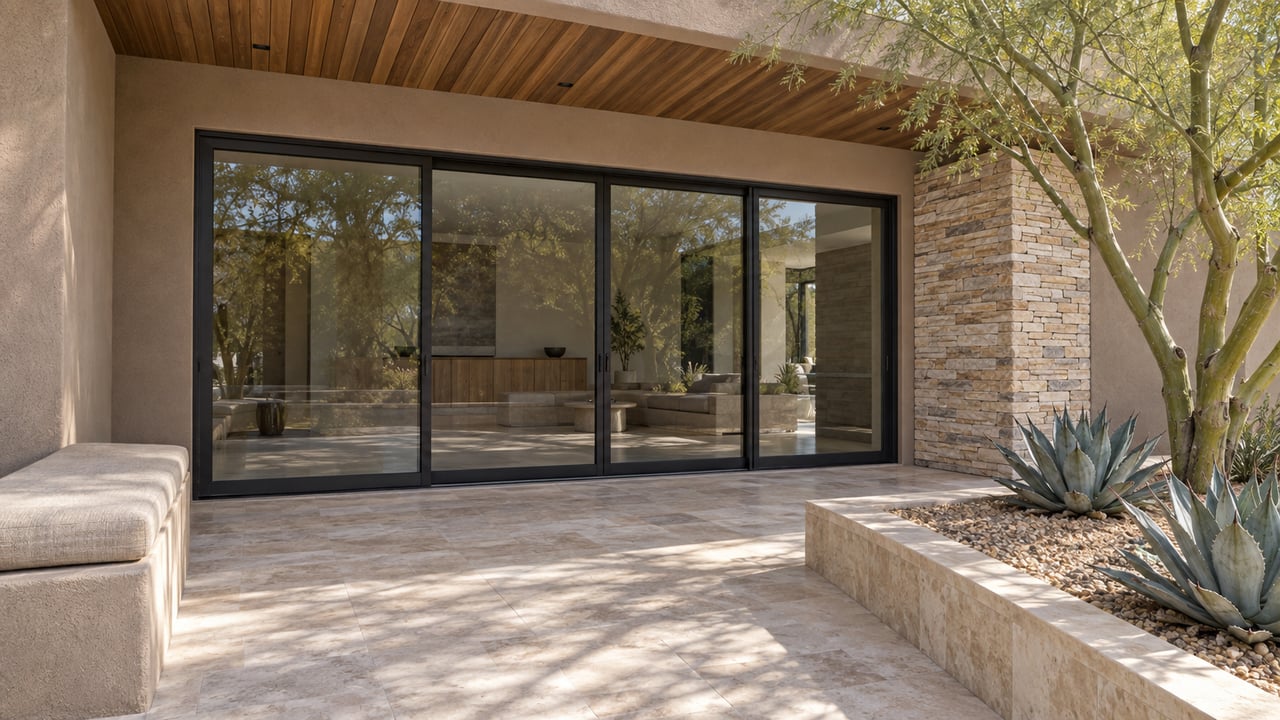
Arcadia’s best homes treat the exterior as part of the floor plan. That makes sense in Phoenix, where shade is not just a comfort feature. Phoenix describes shade as critical infrastructure in the hottest large city in the country, and city guidance notes that temperatures reach or exceed 100 degrees for about 90 days each year.
This is where Arcadia’s irrigation and tree canopy matter. SRP says flood irrigation deep-waters lawns and farmland, helping trees develop deeper roots and more shade. In design terms, that supports outdoor rooms that feel established, usable, and naturally cooled by mature landscape rather than exposed and decorative.
The result is a different kind of luxury experience. Instead of a house placed on a bare lot, Arcadia’s most compelling properties feel planted into their setting. Courtyards, covered patios, lawns, and garden walls work together to create spaces that support both privacy and everyday living.
The neighborhood supports a calmer pace
Design is never only about the house. It is also about how the neighborhood shapes your routine. Arcadia Camelback planning materials say the Arizona Canal and Camelback Mountain help keep the district quiet and insulated from traffic, which contributes to the area’s slower, more residential feel.
That calmer pace carries into how people use local outdoor spaces. Old Cross Cut Canal Park is used for jogging, cycling, dog walking, and community gathering. Arcadia Park includes shade structures and other family-friendly amenities, and the Grand Canalscape provides a continuous 12-mile multi-use trail system for walking, running, and biking.
For many buyers, that rhythm is part of the appeal. Arcadia feels close to major Phoenix destinations, yet daily life still tends to center on residential streets, mature landscape, and a more grounded sense of place. In luxury real estate, that kind of lived experience can matter as much as finishes and fixtures.
Close-in access adds to the appeal
Arcadia benefits from its place within Camelback East, which includes major regional destinations such as Papago Park, the Phoenix Zoo, the Desert Botanical Garden, Piestewa Peak, and three five-star resorts. The planning area also offers easy access to downtown Phoenix. That combination gives Arcadia an unusually rich backdrop for a primarily residential neighborhood.
For design-focused buyers, location strengthens the value story. You get a home environment shaped by lot size, shade, and architectural continuity, while still remaining connected to the broader city. That balance between retreat and access is one reason Arcadia continues to draw sustained interest.
It also helps explain why the neighborhood stays so relevant in the luxury conversation. The appeal is not trend-based. It comes from a lasting mix of land, history, infrastructure, and design coherence.
What to notice in Arcadia luxury homes
If you are touring luxury homes in Arcadia, it helps to look beyond surface updates. The most telling features are often the ones that shape how the home lives day to day.
Here are a few details worth watching:
- Lot orientation and setbacks that create privacy and space
- Mature shade and landscaping that make outdoor areas more usable
- Courtyards and low-slung massing that connect architecture to the site
- Stucco, tile, and ranch-era lines that reflect the neighborhood’s design roots
- Renovation quality that respects the home’s original scale and character
- Relationship to the street including walls, plantings, and approach
In Arcadia, luxury often feels quieter than flashier. The homes that stand out tend to feel resolved, not overworked.
Why Arcadia continues to stand apart
Arcadia’s appeal is durable because it rests on more than image. It is tied to original estate planning, irrigation infrastructure, preservation culture, and a residential setting shaped by shade and scale. Those factors have helped the neighborhood keep its identity even as homes evolve.
For sellers, that means presentation matters. Buyers are often responding to a full design narrative, not just a list of upgrades. The house, lot, landscape, and neighborhood all need to read as one cohesive experience.
For buyers, Arcadia offers a kind of luxury that feels established rather than manufactured. It is polished, but it also has roots. That is a powerful combination in any market.
If you are considering buying or selling in Arcadia, working with an advisor who understands both design language and neighborhood context can make the process far more strategic. To explore Arcadia with a more editorial, high-touch approach, book an appointment with Artie Baxter.
FAQs
What defines the Arcadia neighborhood in Phoenix?
- Arcadia is generally understood as a neighborhood within Phoenix’s Camelback East area, but exact boundaries vary by source, so it helps to clarify which Arcadia area a property falls within.
What architectural styles are common in Arcadia luxury homes?
- Arcadia includes Spanish Colonial Revival, Monterey Revival, some Pueblo Revival homes, and a strong mid-century ranch influence, often with courtyards, stucco walls, clay-tile roofs, and low-slung forms.
Why do Arcadia homes have so much mature landscaping?
- Arcadia’s green character is closely tied to its early irrigation infrastructure and ongoing flood irrigation patterns, which helped support lawns, citrus groves, and deeper-rooted shade trees.
Why is outdoor living so important in Arcadia homes?
- Outdoor living is central because shade and landscape are especially valuable in Phoenix’s hot climate, and Arcadia’s lot sizes, courtyards, and mature trees support more usable exterior spaces.
Why do many Arcadia homeowners renovate instead of rebuild?
- City planning materials note that many late-1950s and early-1960s homes were built with lasting quality, which has encouraged owners to renovate and update rather than move or fully replace them.
What should buyers look for in an Arcadia luxury home?
- Buyers should pay attention to lot scale, setbacks, mature shade, architectural continuity, courtyard and patio design, and whether updates respect the home’s original proportions and neighborhood context.